Header photo by Tadeusz Zachwieja on Unsplash
Germany’s Fascinating Easter Traditions
When it comes to Easter traditions, Germany is often at the forefront, showcasing vibrant customs that echo the spirit of renewal that accompanies spring. One of the most charming of these traditions is the decoration of Easter egg trees, which captures the joy and hope of the season. This article dives into the history, meaning, and modern practices surrounding Easter egg trees in Germany.
Historical Context of Easter Traditions in Germany
The celebration of Easter in Germany is steeped in a rich tapestry of history, influenced by both pagan customs and Christian beliefs. Originally, eggs were symbols of fertility and rebirth, linked to ancient springtime rituals. As Christianity spread, these customs were integrated into the Easter celebration, with eggs symbolizing the resurrection of Christ. The tradition of decorating eggs is believed to date back to the Middle Ages, but it was in the 18th century that the egg tree custom began gaining popularity.
The Significance of Egg Trees in Germany
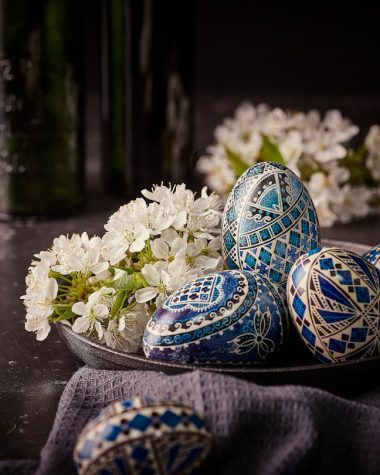
So, why trees? In Germany, trees are often seen as symbols of life and renewal. Decorating a tree with colorful eggs transforms it into a stunning centerpiece, bringing a splash of joy into homes and public spaces during the Easter season. The eggs themselves – often painted or adorned with intricate designs – represent not only the renewal of life but also the gift of new beginnings. Moreover, the vibrant colors and intricate designs reflect the individuality and creativity of families, often showcasing their unique artistic styles. Easter traditions in Greece complement Germany’s Easter Egg Trees by highlighting how different cultures celebrate the arrival of spring with unique – yet fundamentally related – decorations.
How Egg Trees Are Created
Creating an Easter egg tree is a delightful activity for families. The process often begins with selecting a branch from a tree or shrub, preferably one that is still bare in early spring. Here’s how you can craft your own:
For further reading, visit more on Easter traditions.
- Gather Materials: Find a sturdy branch, paint various Easter eggs (using techniques like dyeing, painting, or decoupage), and secure ribbons or string for hanging.
- Assemble the Tree: Place the branch in a decorative pot filled with soil, sand, or stones for stability.
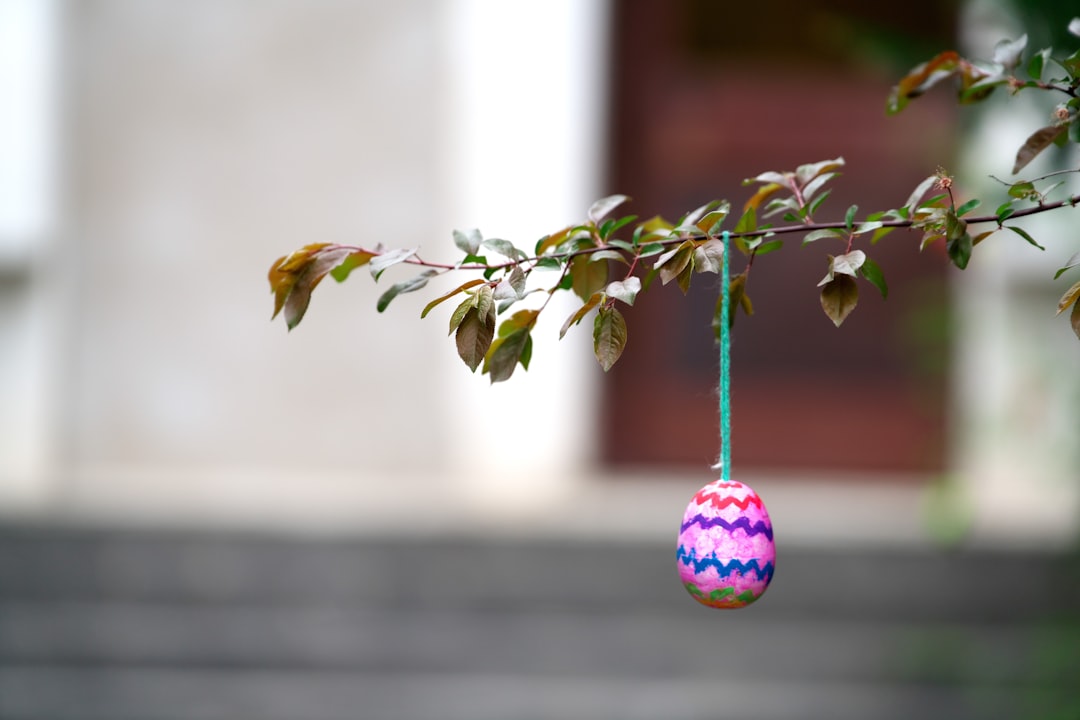
- Decorate: Hang the prepared eggs from the branches; you can start with larger eggs at the bottom and gradually work up to smaller ones. It’s also common to include designs that reflect personal or familial significance, such as symbols of the family crest or favorite colors.
- Personal Touch: Add other decorations like flowers, greenery, or lights to enhance the festive vibe; consider incorporating elements like ribbons and bows for an extra touch of festivity.
This yearly ritual not only serves as a chance for family bonding but also allows for creativity and expression in design choices. Families in Germany often compete to create the most exquisite tree, resulting in unique displays. Additionally, local variants might arise, where families showcase regional colors or themes, further enriching the cultural tapestry.
Variations Across Regions
While egg trees are celebrated throughout Germany, regional variations exist. In some areas, people may focus on using natural eggs, while others favor decorative or even blown-out eggs. Some communities may host events centered around egg tree decoration, inviting villagers to contribute their creative touch. For instance, in Bavaria, it is common to use dyed eggs made from local flower petals, while in Saxony, eggs often display elaborate historical designs that reflect the region’s artistic heritage. These local gatherings foster a sense of community and shared culture.
Modern Practices and Sustainability
Today’s Easter egg trees are not only bursts of color but also reflect a growing trend toward sustainability. More individuals are choosing to decorate with natural or recycled materials. This shift is part of a broader movement in Germany, where environmental consciousness is increasingly part of holiday celebrations. Many are turning to biodegradable decorations, such as dried flowers and natural twine, ensuring that the beauty of their creations aligns with eco-friendly values.
Additionally, some families are opting for edible decorations, using dyed or painted hard-boiled eggs, which can be consumed after the celebration. This practice connects the tradition to both sustainability and culinary enjoyment, as families often share the decorated eggs in festive meals. Recipes that accompany these traditions, such as traditional German Easter dishes, are also passed down through generations, further enriching the holiday’s gastronomic aspect.
For further reading, visit Easter egg decoration ideas.
The Role of Egg Trees in German Easter Markets
Easter markets throughout Germany are vibrant hubs for showcasing egg trees and other seasonal traditions. These markets often feature stalls selling beautifully decorated eggs, traditional foods, and crafts. The sight of crowded markets filled with families enjoying the festivities is a testament to the communal spirit of the season. Local artisans display their wares, providing intricate depictions of egg decorations that can vary from simple to highly detailed. The opportunity to purchase handmade items fosters a connection between the maker and the consumer, preserving artisanal skills.
In towns like Goslar and Cochem, large rallies are held where locals can display their decorated egg trees. Visitors can immerse themselves in events packed with food, music, and local culture. The joy of seeing each other’s creations fosters friendly competition and strengthens community ties. Many also attend workshops at these markets, learning how to create their unique egg trees, ensuring that the technique and enthusiasm for this tradition are passed to future generations.
Global Influence of the Egg Tree Tradition
Interestingly, the concept of egg trees is not confined to Germany; it has influenced various parts of the world. Expats and cultural enthusiasts have embraced these customs, creating egg trees in places like the United States, Canada, and beyond. This transference showcases the universal appeal of traditions centered around new life and renewal. Many festivals held in non-German locales often incorporate local flora to adapt the style of egg tree decoration, reflecting their own cultural nuances.
Communities outside Germany have begun hosting their egg tree decorating contests, sharing their interpretations of this cherished custom. Events are often organized around spring festivals, incorporating local elements into the celebrations. Some cities have adapted the idea to include lighting ceremonies for egg trees, making them not only decorative during the day but enchanting at night – a beautiful fusion of cultures and traditions.
Bringing the Tradition Home
If you’re considering bringing a slice of German Easter culture to your household, the egg tree tradition is an excellent starting point. It invites creativity, community bonding, and reflection on the deeper meanings of renewal and hope that Easter embodies. Utilize your local resources by visiting stores that sell craft supplies, or consider engaging in local workshops that may teach traditional techniques. Bringing in historical context or family stories associated with the egg tree can deepen its significance in your family’s legacy.
Moreover, you can incorporate this tradition into your family gatherings; invite friends over to share their own traditions and learn from each other. It’s a beautiful way to celebrate the essence of Easter while fostering an appreciation for cultural diversity. Documenting your family’s unique egg trees through photographs or journals allows your story to become part of this ongoing tradition, celebrating its evolution through the years.
A Lasting Legacy
Germany’s Easter egg trees are much more than decorations. They encapsulate history, community, and the promise of renewal. As you appreciate these vibrant traditions, remember that each egg hung on a branch carries stories of hope, creativity, and unity. Whether you choose to create your own egg tree or admire them in festive markets, the legacy of this beautiful custom continues to inspire and connect friends and families every spring.