Easter and Passover: An Overview
Easter and Passover are two significant religious observances that hold immense spiritual value in Christianity and Judaism respectively. While they occur around the same time each year, their historical and theological backgrounds offer both profound connections and distinct differences. Understanding these nuances can deepen one’s appreciation of the traditions and meanings associated with each holiday.
The Historical Context
To truly grasp the significance of Easter and Passover, it’s essential to look back at their roots. Passover, rooted in the biblical narrative of Exodus, celebrates the Israelites’ liberation from slavery in Egypt. This event is commemorated through a meal called the Seder, during which various rituals symbolize this journey from oppression to freedom. The story is a reminder of resilience and faith, encapsulating a crucial moment in Jewish history.
For further reading, visit Passover.
Easter, on the other hand, celebrates the resurrection of Jesus Christ, marking the culmination of Holy Week. The events leading to Easter include Jesus’ crucifixion, death, and resurrection, which are central to Christian belief. While Passover commemorates physical liberation, Easter symbolizes spiritual redemption and the hope of resurrection. This profound connection to the act of sacrifice and the promise of life after death draws an interesting parallel between the two holidays.
Similarities in Observance
Both holidays emphasize themes of renewal and liberation. In fact, the Last Supper, which is a pivotal event in the Christian faith, is believed to have been a Passover meal, thereby connecting the two festivals through shared history. Throughout the Scriptures, connections are drawn between the sacrificial lamb of Passover and Christ, referred to as the “Lamb of God.” This theological linkage expresses the idea of sacrifice leading to salvation and underlines the significance of both holidays in their respective traditions.
For further reading, visit Easter.
For Christians, Easter symbolizes the ultimate victory over sin and death; similarly, Passover speaks volumes about liberation from bondage. These parallels encourage interfaith dialogues, allowing participants from both religious backgrounds to explore their shared values. By recognizing the common grounds of struggle and hope, both faiths can foster a deeper understanding of each other’s beliefs.
Differences in Ritual and Practice
Though Easter and Passover share symbolic themes, their observances and rituals differ significantly. Passover rituals, such as the Seder plate, include specific foods and readings intended to commemorate the Exodus story. Items such as bitter herbs, charoset, and a roasted shank bone each carry particular meanings – for instance, bitter herbs symbolize the harshness of slavery, while charoset represents the mortar used by the Israelites to build in Egypt. Each element serves to create a sensory experience that connects participants with their history.
For further reading, visit Seder.
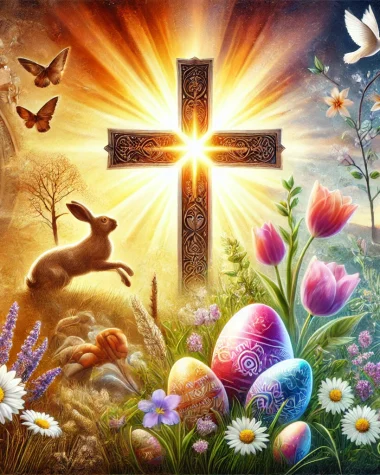
In contrast, Easter practices vary widely among Christian denominations. Common traditions include special church services, sunrise gatherings, and festive meals featuring symbolic foods, from lamb to sweet breads. The beautifying resurrection symbols, like the Easter egg, reflect new life and rebirth, aligning with the resurrection theme but also adding cultural layers to the religious observance. The egg, often decorated, serves as a metaphor for the sealed tomb of Christ, and the act of opening or cracking it mirrors His resurrection, bringing forth life from death.
Church Services and Their Significance
Easter church services are often characterized by vibrant decorations and uplifting music, symbolizing joy and hope. Many churches hold special features such as candlelight services, where congregants light candles as a symbol of Christ’s light entering the world. This visual aspect enhances the spiritual experience, making it more than just a gathering; it’s a celebration of faith and community, instilling a sense of belonging and unity among participants. Additionally, many congregations incorporate joyous hymns and readings that reflect the theme of resurrection, leading to a deeply uplifting atmosphere.
For further reading, visit Jewish Virtual Library.
In comparison, Passover services, often held in synagogues, focus on readings from the Haggadah, the traditional text that outlines the Seder’s order. Through these readings, participants engage in discussions about the significance of freedom and faith, creating a shared sense of history and identity. This collective experience fosters a strong connection among attendees, making each Seder unique as families incorporate their own traditions and stories into the meal, further enriching the experience.
Spiritual Practices and Reflections
When exploring the spiritual practices surrounding both holidays, meditation and reflection play crucial roles. Individuals often take time to reflect on the meaning behind the observances, invoking personal and communal experiences. For some, these holidays provide an opportunity to engage in prayer, seeking guidance and strength for the year ahead. The reflective nature of these holidays allows participants to not only remember the past but also to apply the lessons learned to their daily lives.
For further reading, visit Catholic Conference of Bishops.
In Christianity, Lent – the period leading up to Easter – is marked by fasting, prayer, and penance, allowing believers to prepare spiritually for the Easter celebration. This time of self-examination and introspection offers an invaluable chance for individuals to realign their focus on faith and personal growth. Meanwhile, Jewish communities participate in reflective practices leading up to Passover by cleaning homes of chametz (leaven), symbolizing the removal of sin, and engaging in discussions about freedom, identity, and the ongoing relevance of the Exodus story in modern contexts.
Theological Perspectives
From a theological standpoint, the intertwined narratives of Easter and Passover highlight profound theological reflections within both faiths. For Christians, the resurrection signifies hope and the promise of eternal life, a fundamental aspect that not only affects individual faith but also influences community practices and preaching throughout the year. This concept of resurrection also serves as motivation for ethical living and service to others, central themes within Christian teachings.
For further reading, visit NPR article.
For Jews, the observance of Passover invites a deep exploration of social justice, emphasizing the importance of freedom. It brings forth questions about modern-day slavery and oppression, encouraging a commitment to ensure that all individuals can live free from tyranny. The holiday inspires conversations revolving around contemporary relevance, deepening the understanding of these ancient traditions and offering avenues for community activism and engagement.
The Role of Community
Community bonds are reinforced within both these observances. Families and friends gather to share food, stories, and prayers, ensuring the continuity of traditions and the transmission of values. Whether it’s the shared Seder meal or the Easter brunch, these communal activities foster unity, love, and support, reinforcing the strength of community ties. For instance, many find joy in baking traditional Passover meals or decorating Easter eggs together, creating lasting memories.
As you immerse yourself in these holidays, consider connecting with local communities that observe either or both celebrations. Participation can include volunteering for community assistance programs during this season, enhancing the sense of collective responsibility in both faiths. Engaging in interfaith events or dialogues can further enrich social bonds, as you might find that the shared essence of hope and resilience transcends the boundaries between cultures and beliefs.