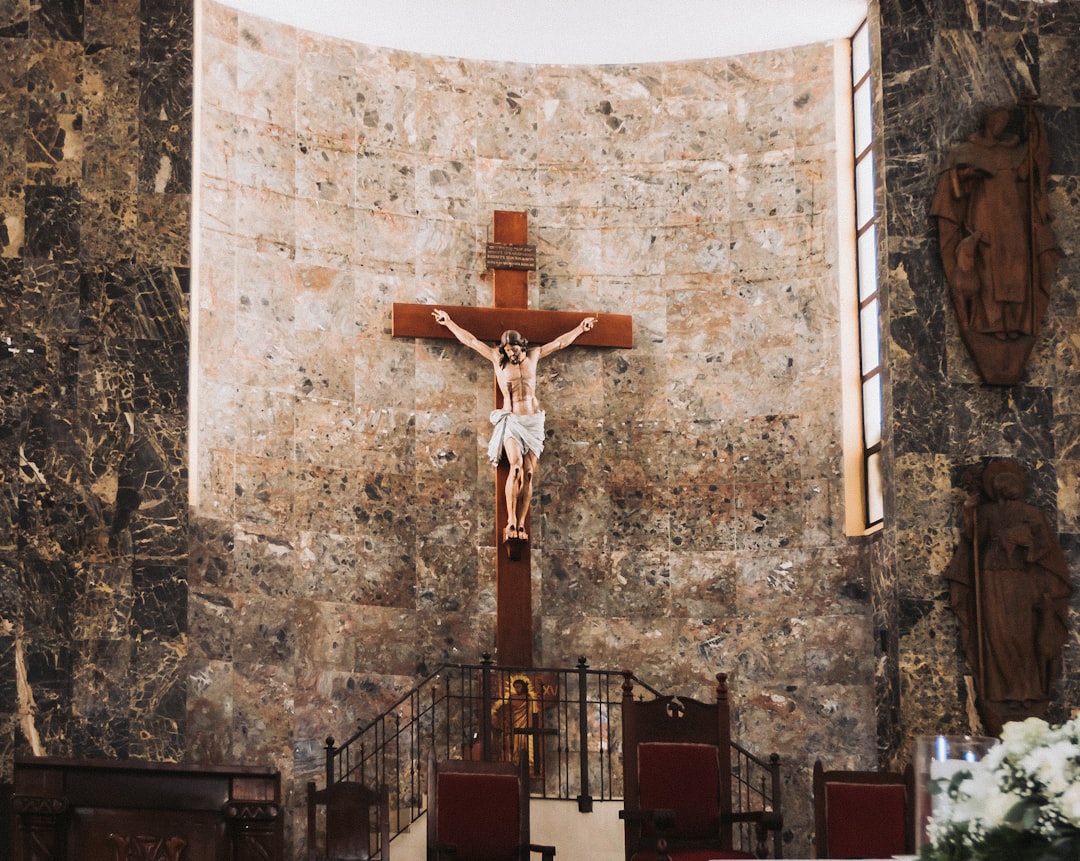
Photo by Gilberto Peralta Bocio on Unsplash
The Heart of Easter: A Celebration of Faith
Easter is not just a day on the calendar; it represents one of the most important events in the Christian faith. The resurrection of Jesus Christ is the cornerstone of Christianity, representing hope, renewal, and eternal life. For millions around the world, Easter is a profound occasion filled with emotional and spiritual significance.
This article will explore the multifaceted significance of Easter in the Christian tradition, touching on its religious implications, communal practices, and the underlying themes that resonate deeply with believers. Understanding these elements can enrich your personal faith journey and deepen your appreciation for this sacred time.
For further reading, visit Easter’s significance on Wikipedia.
The Theological Foundations of Easter
At its core, Easter commemorates the resurrection of Jesus, which is intricately tied to the events of Good Friday, when He was crucified. The significance of this resurrection is captured beautifully in scripture, especially in 1 Corinthians 15:55-57, where Paul writes about victory over sin and death. The resurrection is not merely a miraculous event; it symbolizes God’s victory over evil and the promise of life beyond the grave.
This promise extends beyond the individual believer, offering a shared hope for salvation and renewal within the community of faith. For Christians, Easter signifies that death does not have the final word; through Christ, they receive assurance of eternal life. This foundational belief fuels many theological teachings and provides a framework for Christian ethics and living.
Furthermore, Easter serves as a reminder of the transformative power of faith. Studies indicate that participation in Easter celebrations often leads to increased spiritual engagement, with many believers reporting a deeper connection to their faith during this time. This engagement often translates into lifelong commitments to church involvement and community service. For further reading, visit Easter holiday on Britannica.
Rituals and Observances Leading Up to Easter
The road to Easter is paved with a series of rituals and observances that prepare Christians both spiritually and emotionally. The season of Lent, which lasts for 40 days, is a period of reflection, penance, and fasting that leads to Easter Sunday. This time is meant to emulate Jesus’ fasting in the wilderness and serves as a way for Christians to root themselves in humility and self-awareness.
During Lent, many Christians engage in various practices such as donating to charity, attending additional church services, or abstaining from specific foods and activities. These acts are meant to help believers grow spiritually, focusing on prayer and reflection. For instance, a survey indicates that over 40% of Christians choose to give up something meaningful during Lent, experiencing a sense of spiritual renewal as they approach Easter. On Palm Sunday, the week before Easter, congregants celebrate the triumphal entry of Jesus into Jerusalem, setting the stage for the events of Good Friday and Easter Sunday.
For further reading, visit Easter statistics on Statista.
The Impact of Holy Week
Holy Week serves as a significant culmination of the Lenten season. Each day carries specific observances that highlight the passion of Christ. Maundy Thursday commemorates the Last Supper, where Jesus instituted the Eucharist. Good Friday follows, reflecting on Christ’s crucifixion and the somber reality of sacrifice. This week emphasizes not only the events that led to the resurrection but also the profound love God has for humanity in suffering and redemption. Many congregations offer special services throughout Holy Week, including Tenebrae services, which symbolize the darkness of Christ’s death.
Cultural Expressions of Easter: Beyond the Church
Easter’s significance extends beyond the walls of the church; it is celebrated in various aspects of culture and society. From art exhibits that portray the resurrection to music that encapsulates the joy of Easter Sunday, cultural expressions amplify the religious themes of hope and renewal. Many communities participate in Easter egg hunts and family gatherings, symbolizing new life through the tradition of colorful eggs, which are often seen as a representation of the tomb from which Jesus emerged.
Moreover, Easter-themed events, such as community festivals and parades, showcase local culture and bring people together in celebration. Some regions host unique local traditions, like the Easter Bunny parades in the United States, which attract thousands of participants and emphasize familial bonding during the holiday.
For further reading, visit insights from HubSpot.
Furthermore, Easter service themes typically revolve around messages of renewal, hope, and victory over despair. Gospel music, inspiring sermons, and community gatherings during Easter services bring together the faithful, reinforcing collective belief and practice.
The Role of Prayers and Reflection
Prayer and reflection are vital components of Easter observances. Throughout the church’s liturgical season, prayers focus on repentance, thanksgiving, and joy for the resurrection. Special prayers are often shared in church services, invoking themes from scripture that emphasize renewal and hope, such as in traditional Easter prayers that carry deep significance within the liturgy. These sacred moments of connecting with God allow believers to recognize the impact of Christ’s resurrection on their lives.
Additionally, believers are encouraged to engage in personal prayer practices, journaling their thoughts and gratitude during Lent and Easter. This reflective approach can lead to deeper insights and a more profound understanding of their faith journey. For further reading, visit web standards by W3.
Communal Celebrations and Their Importance
Celebrating Easter within community is one of its most rewarding aspects. Many churches host sunrise services, where believers gather early in the morning to celebrate resurrection day. The communal aspect not only deepens each individual’s faith but also fosters a sense of belonging. Through acts of fellowship, such as sharing meals and supporting each other through prayer and community service, believers experience the true essence of Christianity. Evidence shows that communal celebrations significantly enhance individual feelings of belonging and support among church members.
Easter also serves as a reminder of the call to evangelize and share faith with others. Many congregations plan outreach events during Easter to invite others into the faith community, demonstrating the welcoming nature of the resurrection message. This outreach emphasizes inclusivity and the call to spread the joy of the gospel, illustrating Jesus’ teachings and inviting those outside the faith to witness the love and hope embodied in Easter.
For further reading, visit HuffPost articles on Easter.
Questions That Resonate: Engaging with the Easter Message
The messages of Easter naturally lead individuals to seek answers to important spiritual questions. “What does the resurrection mean for my life?” and “How can I embody the values of Christ in daily living?” emerge as key reflections among believers. These inquiries inspire deeper theological study and personal application of faith. As such, clergy often emphasize the importance of seeking God’s guidance in understanding these transformative questions. Educational programs and Bible studies during Easter often facilitate these discussions, providing a structured environment for believers to explore their faith further.
When believers reflect on these questions, they often feel empowered to embrace their faith more fully; they realize that the resurrection calls for a response. Just as Jesus was raised to new life, they, too, are prompted to seek renewed purpose, reconciliation, and love in their relationships and communities.
Celebrating Diversity in Easter Traditions
Easter is celebrated differently across various cultures, showcasing the beauty of diversity within Christianity. For example, in Eastern Orthodox traditions, Easter is often observed with rich liturgies and specific customs rooted in ancient practices. Traditional foods, hymns, and rituals differ; yet they all convey the same essential message of hope and restoration. On the other hand, Western celebrations may emphasize joyful gatherings and widespread outreach efforts. For instance, the custom of Easter bonfires in parts of Europe symbolizes the triumph of light over darkness, further enriching the tapestry of Easter celebrations.
The differences in observance illustrate how culture influences worship while preserving the core tenets of faith. Embracing these variations can enhance the communal experience for believers and deepen one’s understanding of global Christianity.
Returning to the Heart of Easter
Ultimately, the significance of Easter lies in the heart of the message: love conquers all. For Christians, Easter continues to be a beacon of hope amidst life’s challenges, reminding them that even in despair, there is the promise of renewal and joy. Reflecting on Easter’s powerful message invites a personal commitment to embody these values in everyday life.
Whether through attending a service, participating in a community event, or engaging in personal reflection, let Easter inspire a renewed sense of purpose and connection to the divine. Through these practices, you can fully embrace the significance of Easter within your faith journey.
In navigating this sacred time, consider exploring the connections between Easter and Passover, marking a deeper appreciation for how faith evolves through diverse practices and traditions.