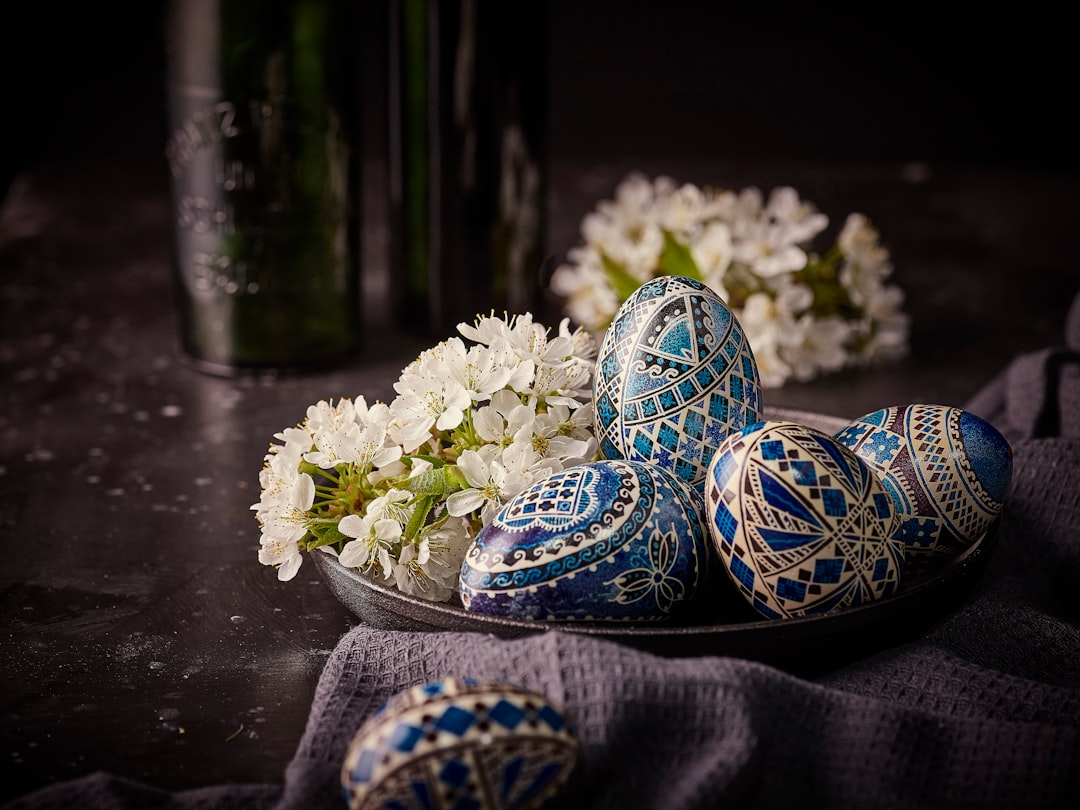
Header photo by Wolfgang Rottmann on Unsplash
Easter in Greece: A Celebration of Traditions
Easter is one of the most significant celebrations in Greece, imbued with deep-rooted traditions and vibrant customs. The holiday, marking the resurrection of Jesus Christ, is celebrated with unique rituals that reflect the rich tapestry of Greek culture. In this article, we will delve into two prominent Greek Easter traditions: the symbolic red eggs and the beautiful floral Epitaphios.
Red Eggs: A Symbol of Life and Resurrection
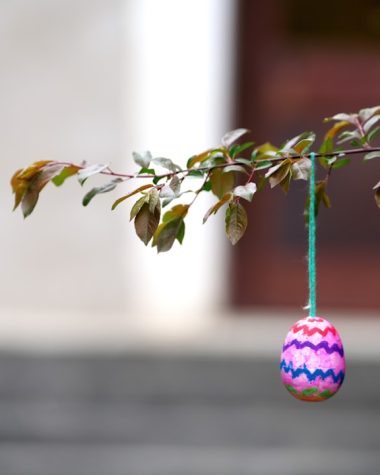
One of the most recognizable symbols of Easter in Greece is the red egg. The tradition dates back to the early Christian era and is believed to represent the blood of Christ and the joy of the resurrection. During Holy Week, especially on Holy Saturday, Greeks prepare for this custom by dyeing eggs red using natural dyes or synthetic ones for vibrant hues.
For further reading, check out our guide to Easter traditions around the world.
The process typically begins on Holy Thursday, when families gather to dye eggs. As a symbol of renewal, the egg holds great significance; it embodies the end of Lent, a period of fasting and reflection. The red color itself is emblematic of the blood of Christ, marking the moment of salvation for believers. Each family often has its own recipes and techniques for dyeing the eggs, resulting in vibrant variations. For example, some families might use onion skins, while others might use beet juice or commercial dyes, showcasing their unique interpretations of this cherished tradition.
The Meaning Behind the Cracking of Eggs
On Easter Sunday, the red eggs play a crucial role in a popular game among family members and friends. Each person holds a hard-boiled red egg and takes turns tapping the eggs against each other, aiming to crack the opponent’s egg while keeping theirs intact. This game, known as “tsougrisma,” is not only fun but also steeped in cultural meaning. The winner, who is left holding an uncracked egg, is believed to be blessed and fortunate for the year ahead.
This practice is charmingly competitive and is often accompanied by chants, such as “Christ is Risen!” and the response “Indeed, He is Risen!” Such exchanges reflect the communal joy and celebratory spirit of Easter, as family and friends come together, reinforcing bonds and traditions. Additionally, the egg cracking can symbolize overcoming adversity and emerging victorious – much like the resurrection itself. This playful competition often leads to laughter and storytelling, as participants share memories of previous years, thus enriching the fabric of family history.
The Epitaphios: A Floral Tribute
Another hallmark of Greek Easter is the Epitaphios, a beautifully adorned funeral bier resembling the tomb of Christ. Leading up to and including Good Friday, parishes prepare their Epitaphios with an abundance of flowers, often consisting of roses, lilies, and other spring blooms, symbolizing life and resurrection. The flowers are arranged meticulously, reflecting the devotion and artistry of the church community.
On Good Friday, a solemn procession occurs where the Epitaphios is taken out of the church and paraded through the streets. Devotees often follow, singing hymns and lightening candles, in a sea of flickering lights amidst the night. This poignant ceremony serves as a reminder of Christ’s passion and sacrifice, creating a beautiful contrast with the vibrant, joyful celebrations that occur on Easter Sunday. The procession has deep cultural roots, bringing together people from all walks of life in a shared moment of mourning as well as anticipation.
The Cultural Significance of the Epitaphios
The Epitaphios represents mourning but is also an expression of hope and resurrection. In many regions of Greece, these processions can be quite elaborate, with participants dressed in traditional attire. As the Epitaphios is carried through the streets, it often draws crowds, unifying the community in a collective moment of reflection and reverence. In cities like Athens and Thessaloniki, thousands join in the procession, demonstrating the strong community bonds forged through shared faith and traditions.
In particular, regions such as Crete and the Peloponnese showcase unique local customs involving the Epitaphios that vary in artistic expressions. While some communities may favor particularly grand decorations, others focus on simplicity to emphasize the beauty of the flowers themselves. For instance, in some villages, families will contribute flowers from their gardens, creating a sense of personal connection and community involvement in the observance. This layering of individual contributions into a communal display further enhances the significance of the event.
Preparing for Easter: The Holy Week
As Easter approaches, the week leading up to the holiday, known as Holy Week, is filled with spiritual significance. Daily church services and special prayers mark each day, with services focusing on the events that lead to the resurrection of Christ. The atmosphere within churches is profoundly somber yet hopeful, guiding the faithful toward the joyous Easter celebrations. Many people also take part in confession and spiritual reflection during this week, seeking reconciliation and renewal as they prepare for the resurrection.
Many families embrace a tradition of fasting in the days leading up to Easter Sunday, offering a time for introspection and preparation. The food during this period typically excludes meat and dairy, aligning with the Lenten observance. However, this fasting also results in an anticipation for the rich meals on Easter Sunday, where those who fast are able to reconnect with their culinary traditions. Local specialties may include variations of lamb dishes across different regions, with each family bringing their own touch to the feast.
The Feast of Resurrection
Easter Sunday is celebrated with a grand feast, often centered around roast lamb – a symbol of purity, and a dish that connects the meal back to the Passover tradition. Greeks typically break their fast on this day, enjoying a rich variety of traditional foods, including carnival-style sweets like koliva (a dish made of wheat, raisins, and nuts) and the iconic Easter bread called tsoureki. The feast also includes tzatziki, grilled vegetables, and sometimes even sweet pastries, showcasing the culinary diversity of Greek Easter.
The feast is not just about food; it’s a festive occasion filled with laughter, song, and dance. Families gather to share stories and reminisce about past Easters, creating an intergenerational connection that is deeply cherished. It’s common for guests to engage in music and traditional Greek dances, elevating the atmosphere of joy and renewal. Many families also incorporate games and activities for children, further enhancing the spirit of community and celebration. The communal aspect of this meal is a reaffirmation of hope, family, and faith.