Header photo by Anastasiia Chepinska on Unsplash
Embracing Sustainability in Easter Decor
Easter is a time for celebration, family gatherings, and vibrant decorations. However, traditional decoration practices can lead to a significant amount of waste. Transitioning to sustainable Easter decorations not only reduces environmental impact but also fosters creativity and resourcefulness. Embracing sustainable practices helps cultivate a greener future. With an increasing awareness of environmental issues, more families are looking for ways to celebrate holidays in a manner that aligns with their values. Sustainable Easter decorations can serve as a delightful blend of art, community, and ecological mindfulness, emphasizing creativity while fostering a sense of responsibility towards the planet.
Choosing Natural Materials
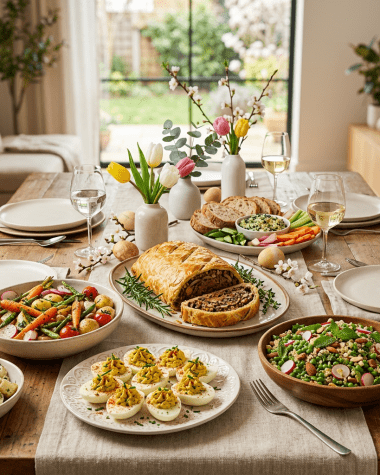
Opting for natural materials is a simple yet effective way to decorate for Easter sustainably. For example, you might use fresh flowers, twigs, or greenery. These elements provide a vibrant, seasonal touch while being biodegradable. By sourcing local plants, families support local farmers and reduce transportation emissions. This choice mirrors the principles of environmental stewardship. Fresh spring flowers, such as daffodils, tulips, and hyacinths, can be beautifully arranged in eco-friendly vases made from recycled materials. Consider creating centerpieces that feature potted plants instead of cut flowers, allowing you to enjoy the blooms long after Easter has passed. Using dried herbs like lavender or rosemary can also add a delightful aroma to your home while being fully compostable once the holiday is over. Moreover, incorporating elements from nature like pinecones, stones, or seashells can add a rustic charm, further enhancing your sustainable approach.
Reusable Items
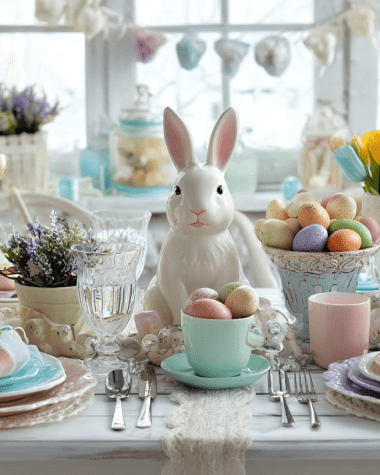
One of the most straightforward strategies is to utilize reusable items. Consider incorporating fabric tablecloths, cloth napkins, and washable decorations. These pieces can be used annually or for multiple occasions. They not only reduce waste but also lend a stylish charm to your celebrations. You might repurpose last year’s decorations or even swap items with friends and family for a fresh look without additional purchases. For example, consider making reusable Easter baskets from fabric. These can be filled with natural treats like organic chocolates or homemade goodies, which are perfect for kids and adults alike. Additionally, using LED string lights that can be reused year after year can enhance your festive atmosphere while being energy efficient. Avoiding single-use plastics by switching to glass or bamboo dishware can also significantly reduce waste during your gatherings.
DIY Decorations
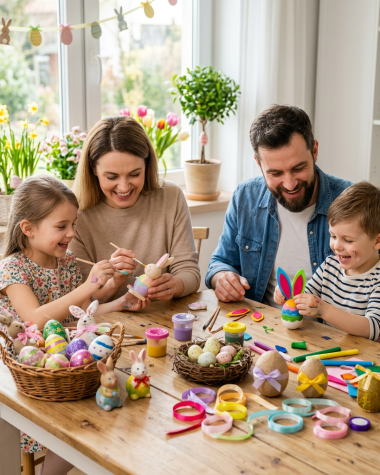
Crafting decorations at home from recycled materials can be both fun and eco-friendly. Empty glass jars can be transformed into charming candle holders, while cardboard can be turned into festive bunting. Engaging children in the process can create lasting memories, while also teaching valuable lessons about sustainability. Consider using materials already at home, such as old newspapers or fabric scraps, for crafting. Not only can you create beautiful paper mâché decorations, but you can also organize workshops where family members share their artistic skills. For instance, using old egg cartons to create adorable bunny shapes or painting stones can serve as a great bonding activity that adults and children can enjoy together. This environmentally friendly crafting approach demonstrates how creativity flourishes when we repurpose what we already have rather than purchasing new materials.
Composting and Biodegradable Options
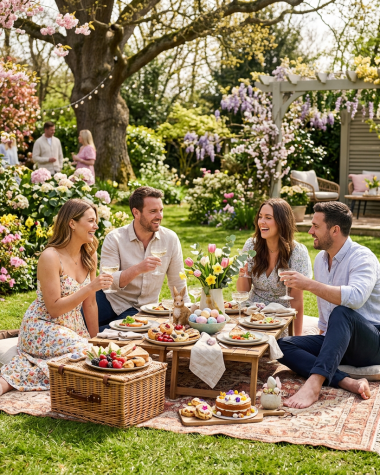
For those decorative items that do not last, think about composting. Natural decorations, like flower arrangements or even edible centerpieces, can be composted after they have served their purpose. Alternatively, seek out biodegradable decorations. These options, often made from materials like biodegradable balloons or sustainably sourced paper, are great for the environment. They break down seamlessly, minimizing long-term waste. Moreover, plan your menu with sustainability in mind by using seasonal, locally sourced ingredients. Not only will this reduce your carbon footprint, but it will also inspire your decorations. For example, an edible flower salad can serve as both a centerpiece and a delicious dish for guests, showcasing creativity in sustainability.
Eco-Friendly Color and Dye Choices
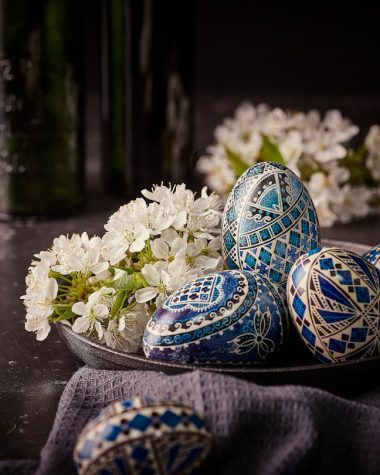
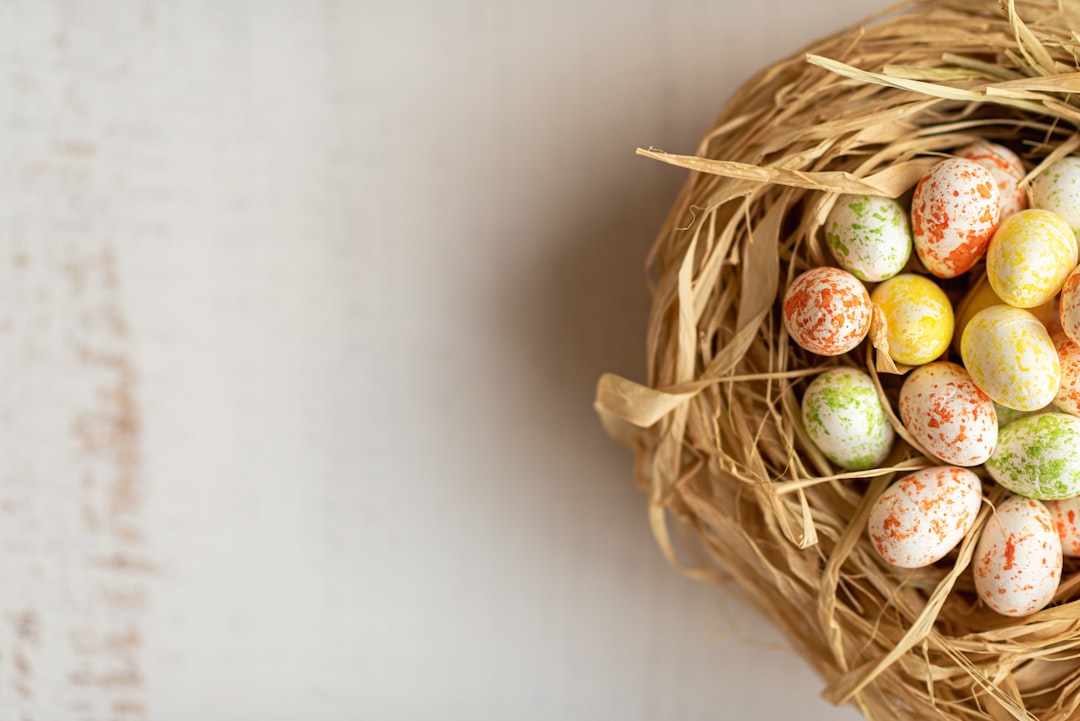
Bright colors are synonymous with Easter. When dyeing eggs, explore methods using natural dyes such as beet juice, turmeric, or spinach. These sources are not only non-toxic but also promote a deeper connection with the environment. Shades derived from plants are beautiful alternatives to synthetic dyes, contributing to a healthier planet. To create a vibrant array of colors, gather fruits, vegetables, or even spices and boil them in water – the results can be stunning. For example, red cabbage can yield beautiful blue hues while yellow onion skins can create warm orange tones. Involving children in the process not only teaches them about the natural world but also adds an interactive element to your Easter celebration. Moreover, consider decorating the eggs with natural materials like twine or leaves, elevating the aesthetic appeal and sustainability simultaneously.
Incorporating Experiences Instead of Objects
Consider shifting the focus from physical decorations to experiences that create memories. Plan an Easter scavenger hunt in wildlife or a nature walk to enjoy seasonal blooms. These activities can become cherished traditions without contributing to waste. Cultivating experiences can be just as festive as material decorations, perhaps even more so. Think about organizing a community clean-up event as a family, where you can combine the joy of celebration with the responsibility of caring for the earth. Engaging in storytelling sessions or working together on community art projects can be enriching experiences that foster love and appreciation for nature.
Support Local Artisans and Farmers
Buying handmade decorations from local artisans not only supports the community but often results in more mindful purchasing decisions. Local artisans frequently use sustainable practices and materials. Visiting local craft fairs or markets can yield unique and meaningful items. This approach fosters a sense of connection to the community and decreases reliance on mass-produced goods. You can find beautifully crafted wooden decorations, hand-painted eggs, or even artisan-made candles that can enhance your festive spirit. Moreover, developing relationships with local farmers allows you to understand where your food and decoration elements come from, bridging the gap between consumer and producer and enriching your holiday experience.
Encouraging Holiday Literacy and Creativity
Engagement with sustainable practices can extend beyond decorative choices to encompass educational opportunities for children. Discuss the importance of recycling and the environmental impact of different materials. Encourage kids to create their own decorations using concepts learned about sustainability. This can instill values of responsibility and creativity. Organize workshops where children can share ideas and learn from each other, fostering a sense of community and environmental stewardship. Providing resources such as books on environmental topics or exploring online platforms that encourage artistic expressions while being conscious about nature can also inspire ongoing interest beyond the holiday.
Fostering a Green Mindset
Celebrating Easter sustainably encourages a broader green mindset. Every small action has an impact, whether significantly reducing waste or promoting sustainable practices. By being conscious of choices made during festive seasons, individuals contribute to a culture that values environmental sustainability. Families can lead by example, creating a ripple effect in their communities. Organizing sustainability workshops or sharing tips and strategies through community social media platforms can amplify your efforts while inspiring others to participate in eco-friendly practices, creating a collective movement towards greener holidays.
Creating Lasting Traditions
Sustainable Easter decorations can lead to traditions rooted in mindfulness and respect for nature. As families adopt these practices, values will develop over generations. Share experiences that highlight eco-conscious decision-making with children and friends. Over time, these new customs can create a more meaningful and sustainable approach to celebrating Easter. Establishing rituals, such as planting flowers each year or donating to local environmental charities, can enrich your holiday observance while promoting a positive legacy for the future.
Celebration and Reflection
Easter is a time for joy, reflection, and community. By integrating sustainable practices into the festive spirit, families can celebrate in ways that honor the planet. Embracing eco-friendly decorations and practices transforms celebrations, leading to the creation of lasting memories without compromising environmental values. Through creativity and mindfulness, Easter can evolve into a beautiful illustration of love, not only for one another but for the earth that nurtures everyone.
Explore more about reducing waste during Easter by reading about reducing waste during Easter, or dive into DIY traditions.